
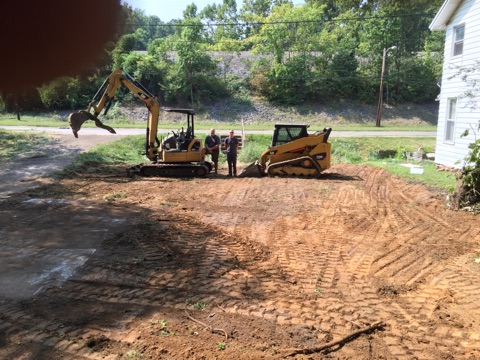
How Much Does Land Clearing Cost in East Tennessee?
July 7, 2026 1:09 pm Leave your thoughtsIf you’re planning to build a home, install a driveway, expand a pasture, or prepare land for development, one of the first questions you’ll likely ask is, “How much does land clearing cost in East Tennessee?” The answer depends on the size of your property, the terrain, the amount of vegetation, and the type of clearing required. In a region known for rolling hills, dense hardwood forests, and rocky soil, every property presents its own unique challenges.
Quick Answer
Land clearing costs in East Tennessee vary based on the property’s size, vegetation density, slope, accessibility, and project goals. Smaller residential clearing projects typically cost less than large-scale commercial or agricultural clearing, while heavily wooded or steep properties require more labor and specialized equipment. The most accurate way to determine cost is through an on-site evaluation of the property.
What Local Property Owners Should Know
- Properties with mature hardwood trees generally require more time and equipment than lots with brush or small saplings.
- Steep terrain common throughout the Great Smoky Mountains region can increase project complexity and labor.
- Removing stumps, grading the site, or hauling away debris may be separate services that affect the overall investment.
- Wet weather in East Tennessee can delay projects by making equipment access more difficult.
- Local permitting requirements may apply depending on the property’s location and intended use.
Why This Matters Locally
Land clearing in East Tennessee is rarely as simple as removing a few trees. Properties throughout Knox County, Sevier County, Blount County, Loudon County, and surrounding communities often feature uneven terrain, dense forest growth, and rocky ground. Many rural lots have been untouched for decades, creating thick underbrush that requires specialized equipment.
Holloway Construction helps property owners prepare land for construction, agriculture, recreational use, and property improvements throughout the region. We understand the unique conditions found across East Tennessee and tailor every project to the property’s specific needs.
What Factors Affect Land Clearing Costs?
Several factors determine land clearing costs, and each property is evaluated individually.
Property Size
Larger properties generally require more equipment time, labor, and fuel. However, larger projects sometimes offer better efficiency compared to clearing several small areas separately.
Tree Density
A lightly wooded lot is significantly faster to clear than one filled with mature oak, maple, hickory, or pine trees. Dense vegetation increases labor and disposal requirements.
Terrain
Steep hillsides, ravines, and uneven ground require specialized equipment and additional safety precautions. Much of East Tennessee’s landscape includes challenging grades that affect production speed.
Rock and Soil Conditions
Many properties contain exposed limestone, shale, or large buried rocks. These conditions may require additional excavation before construction can begin.
Accessibility
If heavy equipment cannot easily reach the work area, clearing becomes more time-consuming. Narrow driveways, limited access roads, and wooded entrances can all influence project costs.
Debris Removal
Some property owners choose to have all debris removed from the site, while others prefer mulching, burning where permitted, or stacking materials for later use. Disposal methods influence the overall project scope.
Local Field Observations
Based on our experience working throughout East Tennessee, heavily wooded rural properties typically require more preparation than suburban lots. Many parcels outside communities like Maryville, Seymour, Lenoir City, and Dandridge have accumulated decades of natural growth, fallen trees, invasive brush, and hidden obstacles beneath the vegetation.
Older farm properties often require fence row clearing, stump removal, and grading before they are ready for new construction or agricultural use.
How Land Clearing Impacts Your Project
Proper land clearing creates a safe and stable foundation for nearly every outdoor project.
Whether you’re building a custom home, installing utilities, constructing a barn, or creating recreational trails, incomplete clearing can lead to drainage problems, construction delays, and unexpected excavation costs later.
Preparing the site correctly from the beginning helps contractors work more efficiently and reduces surprises once construction starts.
Warning Signs Your Property Needs Professional Land Clearing
You may benefit from professional land clearing if you notice any of the following:
- Dense brush prevents access across the property.
- Dead or leaning trees create safety concerns.
- Thick undergrowth hides stumps, rocks, or uneven ground.
- Trees interfere with planned construction areas.
- Existing fence lines have become overgrown.
- Storm damage has left fallen trees across the property.
- Heavy vegetation makes surveying or soil testing difficult.
When to Call a Professional
Professional land clearing is recommended whenever heavy equipment, large tree removal, or extensive grading is required.
Property owners can often remove small brush or fallen limbs themselves, but mature tree removal, stump extraction, and hillside clearing involve significant safety risks. Working with experienced professionals helps ensure the site is cleared efficiently while minimizing unnecessary disturbance to surrounding areas.
Common Causes of Higher Land Clearing Costs
Several site conditions commonly increase project complexity in East Tennessee.
Steep Slopes
Mountainous terrain slows equipment movement and requires additional planning.
Mature Timber
Large hardwood trees require more cutting, processing, and stump removal than younger growth.
Heavy Underbrush
Years of unmanaged vegetation often hide obstacles that must be addressed during clearing.
Poor Site Access
Limited access for heavy machinery can extend project timelines.
Additional Site Preparation
Grading, erosion control, drainage improvements, and excavation may be needed before construction begins.
Prevention and Planning Tips
Planning ahead can help your project stay on schedule.
- Clearly identify the areas you want cleared before work begins.
- Mark property boundaries whenever possible.
- Discuss future building plans so clearing can support long-term development.
- Schedule projects during favorable weather when equipment access is easier.
- Consider whether stump removal or grading should be completed during the same project.
What Results Can You Expect?
Professional land clearing provides a clean, accessible property that is ready for its next phase of development.
Depending on your goals, the finished site may be prepared for construction, utility installation, pasture expansion, recreational trails, fencing, or landscaping. Every project is different, so the final appearance depends on the services selected.
Common Mistakes Property Owners Make
Clearing Too Little
Leaving dense vegetation near future construction can create access problems later.
A better approach is clearing enough space for both current work and future improvements.
Skipping Stump Removal
Old stumps may interfere with foundations, driveways, or landscaping.
Removing them during the initial project often saves time later.
Choosing Based Only on Price
The lowest estimate may not include debris removal, grading, or complete site preparation.
Review exactly what services are included before making a decision.
Common Local Scenario
A property owner purchases several wooded acres outside Sevierville with plans to build a home and detached workshop. While the land appears manageable from the road, the interior contains dense underbrush, mature trees, hidden stumps, and uneven terrain. After a professional site evaluation, the clearing plan includes selective tree removal, brush clearing, stump removal, and grading to create a safe building area while preserving desirable trees around the home’s future location.
Related Service Solutions
Land clearing is often only the first step in preparing a property.
Additional services may include:
- Site grading
- Excavation
- Driveway preparation
- Drainage improvements
- Pond excavation
- Utility trenching
- Stump removal
- Demolition of existing structures
Comparing Your Options
| DIY Clearing | Professional Land Clearing |
|---|---|
| Suitable for small brush removal | Handles large trees and dense vegetation safely |
| Limited equipment | Specialized machinery improves efficiency |
| Higher physical risk | Experienced operators reduce safety concerns |
| Slower progress | Faster project completion |
| May require multiple rentals | Equipment and expertise included |
Service Areas
We provide land clearing services throughout East Tennessee, including Knoxville, Maryville, Sevierville, Lenoir City, Seymour, Alcoa, Friendsville, and surrounding communities. We also serve property owners across nearby counties who need professional site preparation for residential, commercial, or agricultural projects.
The Cost of Waiting
Delaying land clearing can postpone construction schedules, allow vegetation to become even denser, and increase future project complexity. Fallen trees, invasive brush, and overgrowth also become more difficult to manage over time, especially after severe weather events.
Frequently Asked Questions
How much does land clearing cost in East Tennessee?
Land clearing costs vary based on property size, vegetation density, terrain, accessibility, and the services requested. An on-site assessment provides the most accurate estimate.
Does removing trees increase the cost?
Yes. Larger trees require additional labor, specialized equipment, and disposal, which can increase overall project costs.
Is stump removal included with land clearing?
Not always. Some projects include stump removal while others focus only on clearing vegetation. The project scope determines which services are included.
Can steep East Tennessee properties still be cleared?
Yes. Many properties throughout East Tennessee feature hillsides and uneven terrain. Specialized equipment allows experienced contractors to safely clear many challenging sites.
Is grading completed after clearing?
Grading is often performed after clearing if the property will be prepared for construction, driveways, or drainage improvements. The exact scope depends on the project’s goals.
What is the best time of year for land clearing in East Tennessee?
Land clearing can be completed throughout much of the year, although weather and ground conditions may influence scheduling. Planning ahead often helps secure preferred project dates.
Do I need permits for land clearing?
Permit requirements depend on the property’s location and the scope of work. Local governments or county offices can provide guidance for specific projects.
How can I get an accurate estimate?
The best way to receive an accurate estimate is through a site visit. Viewing the terrain, vegetation, and access points allows a contractor to develop a detailed project plan.
Ready to Prepare Your Property?
Every piece of land is different, and the right clearing plan starts with understanding your property’s unique conditions. Whether you’re preparing for new construction, expanding usable acreage, or improving access, we’re here to help you move forward with confidence.
Request Your Land Clearing Consultation
We’ll evaluate your property, discuss your goals, and recommend the most effective approach for your project.
Categorised in: Blog
This post was written by admin